The sixteen Saṃskāras
षोडश संस्कार
Also written: 16 samskaras · shodasha samskara · sixteen sanskar · hindu rituals life · samskaras list · sanskar · षोडश संस्कार
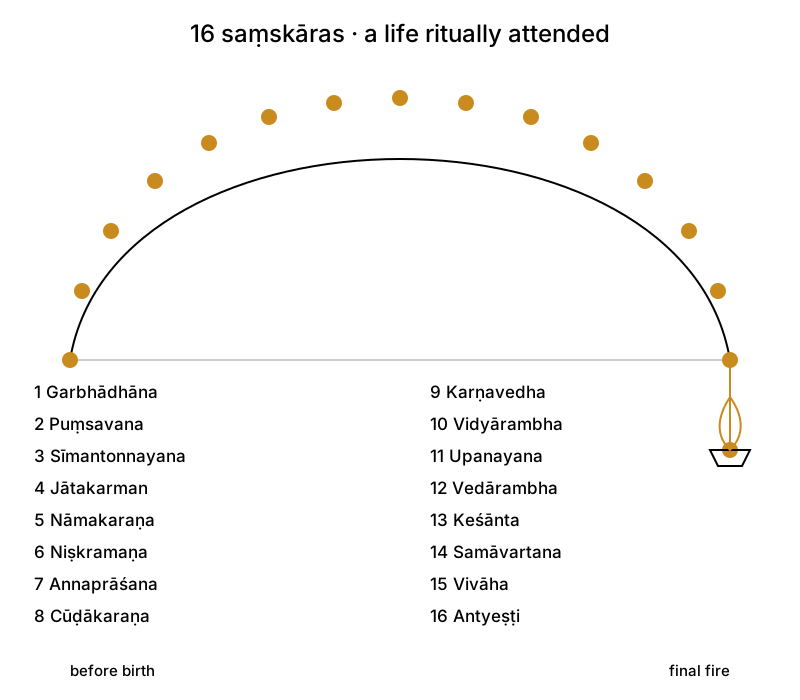
Saṃskāra means refinement — the polishing of something already present, the way a rough gem is cut. The sixteen saṃskāras are performed at the junctures of a human life, and their purpose is to make each transition conscious instead of accidental.
What a saṃskāra actually does
The word carries three senses at once, and all three are meant. It is a refinement, the removal of what is coarse. It is an impression left on the mind — the same word is used in yoga for the traces left by past experience. And it is a preparation, the way a field is prepared before sowing. A saṃskāra is therefore not a celebration attached to an event; it is an act performed on a person at the moment they are changing, so that the change goes in the right direction.
The sixteen
| # | Saṃskāra | Sanskrit | When | Purpose |
|---|---|---|---|---|
| 1 | Garbhādhāna | गर्भाधान | Before conception | The conscious invitation of a life, rather than its accidental arrival. |
| 2 | Puṁsavana | पुंसवन | Third or fourth month of pregnancy | Protection and healthy development of the embryo once the pregnancy is established. |
| 3 | Sīmantonnayana | सीमन्तोन्नयन | Sixth to eighth month | The mother's wellbeing, and the child's first education — through her. |
| 4 | Jātakarma | जातकर्म | At birth, before the umbilical cord is cut | Welcoming the child, and the father's first act of relationship. |
| 5 | Nāmakaraṇa | नामकरण | Eleventh or twelfth day after birth | The giving of the name — an identity, and a direction. |
| 6 | Niṣkramaṇa | निष्क्रमण | Third or fourth month | The child's first journey out of the house — the meeting with sun, sky and world. |
| 7 | Annaprāśana | अन्नप्राशन | Sixth to eighth month | The first solid food — the beginning of independence from the mother's body. |
| 8 | Cūḍākaraṇa | चूडाकरण | First or third year | The first tonsure — removing what was carried from the womb. |
| 9 | Karṇavedha | कर्णवेध | Between the sixth month and the fifth year | Piercing of the ear lobes, for both children. |
| 10 | Vidyārambha | विद्यारम्भ | Around the fifth year | The beginning of learning — the first letter written. |
| 11 | Upanayana | उपनयन | Traditionally between the eighth and twelfth year | The second birth: initiation into study, and into the Gāyatrī. |
| 12 | Vedārambha | वेदारम्भ | Immediately after upanayana | The beginning of Vedic study proper. |
| 13 | Keśānta | केशान्त | Around the sixteenth year | The first shaving of the beard — the passage into adulthood. |
| 14 | Samāvartana | समावर्तन | At the completion of study | Graduation — the return from the teacher's house to the world. |
| 15 | Vivāha | विवाह | On entering the householder stage | Marriage — the central saṃskāra, and the one that establishes the household fire. |
| 16 | Antyeṣṭi | अन्त्येष्टि | At death | The last offering — the body returned to the elements. |
Grouped by stage of life
Before birth — 3
Conception undertaken consciously, the embryo protected, and the mother kept calm because her state reaches the child.
Childhood — 6
Birth, naming, first outing, first food, first tonsure, ear-piercing — the entry of a person into the world of the senses.
Education — 5
First letter, initiation and the sacred thread, the beginning of Vedic study, maturity, and graduation.
Adulthood and the end — 2
Marriage, which lights the household fire; and the final offering, in which the same fire receives the body back.
The rites in detail
Which are still performed
Naming, first food, tonsure, ear-piercing, the beginning of learning, marriage and the final rites are performed in most Hindu families today, often without the classical mantras but with the substance intact. The baby-shower ceremonies across India are sīmantonnayana under regional names. The prenatal rites and the education saṃskāras have thinned most. Nothing has been abolished; what has happened is that some rites lost the institutions that carried them.
In this section
Garbhādhāna
Garbhādhāna — the first saṃskāra, performed before conception. The conscious invitation of a life, rather than its accidental arrival.
Puṁsavana
Puṁsavana — the second saṃskāra, performed third or fourth month of pregnancy. Protection and healthy development of the embryo once the pregnancy is established.
Sīmantonnayana
Sīmantonnayana — the third saṃskāra, performed sixth to eighth month. The mother's wellbeing, and the child's first education — through her.
Jātakarma
Jātakarma — the fourth saṃskāra, performed at birth, before the umbilical cord is cut. Welcoming the child, and the father's first act of relationship.
Nāmakaraṇa
Nāmakaraṇa — the fifth saṃskāra, performed eleventh or twelfth day after birth. The giving of the name — an identity, and a direction.
Niṣkramaṇa
Niṣkramaṇa — the sixth saṃskāra, performed third or fourth month. The child's first journey out of the house — the meeting with sun, sky and world.
Annaprāśana
Annaprāśana — the seventh saṃskāra, performed sixth to eighth month. The first solid food — the beginning of independence from the mother's body.
Cūḍākaraṇa
Cūḍākaraṇa — the eighth saṃskāra, performed first or third year. The first tonsure — removing what was carried from the womb.
Karṇavedha
Karṇavedha — the ninth saṃskāra, performed between the sixth month and the fifth year. Piercing of the ear lobes, for both children.
Vidyārambha
Vidyārambha — the tenth saṃskāra, performed around the fifth year. The beginning of learning — the first letter written.
Upanayana
Upanayana — the eleventh saṃskāra, performed traditionally between the eighth and twelfth year. The second birth: initiation into study, and into the Gāyatrī.
Vedārambha
Vedārambha — the twelfth saṃskāra, performed immediately after upanayana. The beginning of Vedic study proper.
Keśānta
Keśānta — the thirteenth saṃskāra, performed around the sixteenth year. The first shaving of the beard — the passage into adulthood.
Samāvartana
Samāvartana — the fourteenth saṃskāra, performed at the completion of study. Graduation — the return from the teacher's house to the world.
Vivāha
Vivāha — the fifteenth saṃskāra, performed on entering the householder stage. Marriage — the central saṃskāra, and the one that establishes the household fire.
Antyeṣṭi
Antyeṣṭi — the sixteenth saṃskāra, performed at death. The last offering — the body returned to the elements.
Garbhādhāna
Garbhādhāna — the first saṃskāra, performed before conception. The conscious invitation of a life, rather than…
Puṁsavana
Puṁsavana — the second saṃskāra, performed third or fourth month of pregnancy. Protection and healthy developm…
Sīmantonnayana
Sīmantonnayana — the third saṃskāra, performed sixth to eighth month. The mother's wellbeing, and the child's …
Jātakarma
Jātakarma — the fourth saṃskāra, performed at birth, before the umbilical cord is cut. Welcoming the child, an…
Nāmakaraṇa
Nāmakaraṇa — the fifth saṃskāra, performed eleventh or twelfth day after birth. The giving of the name — an id…
Niṣkramaṇa
Niṣkramaṇa — the sixth saṃskāra, performed third or fourth month. The child's first journey out of the house —…
Last revised 2026-08-16. Corrections are welcome — see how this site is written.